THE WAY OF ESSENCE IN THE WISDOM TRADITIONS
On the main Essence-Way page, I share that each tradition which speaks of essence also speaks of its way — its natural movement into expression. Here I'd like to explore that a little further. What follows is not a scholarly survey, but an invitation to recognise what these traditions share: that essence is not static. It moves. It expresses. And it becomes knowable — through form, through nature, through the senses, through the quality of your own awareness.
Different traditions use different names for this deepest reality — Spirit, the Tao, Buddha nature, Atman, Brahman. But what is striking is how consistently they also describe its way — the natural movement by which the unknowable makes itself known.
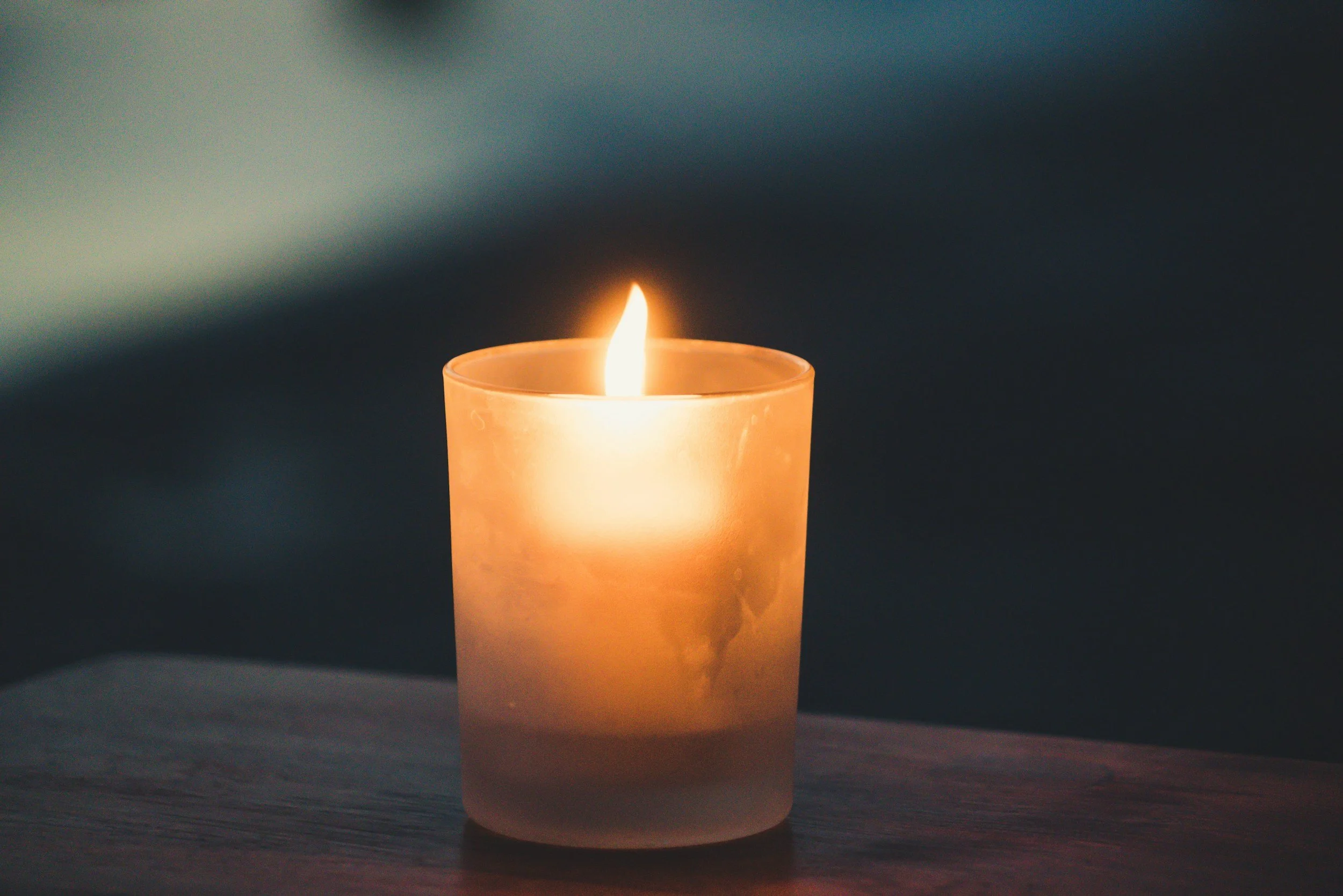
Taoism — The Way
The Tao Te Ching opens with words that have echoed through centuries: "The Tao that can be spoken is not the eternal Tao." Right from the start, the deepest reality is acknowledged as unknowable — and yet, it has a way of moving.
The Tao is not a thing. It is a flowing, an unfolding. It expresses through what the Chinese sages called "the ten thousand things" — all of form, all of nature, all of life. You never see the Tao directly. You see what it does — how water moves, how seasons turn, how a tree grows toward light without effort. The Tao is known through the qualities it expresses through form.
The Taoist practice of wu wei — often translated as non-forcing or effortless action — is essentially the practice of aligning with this natural movement rather than imposing upon it. The sage doesn't do the Tao. They flow with it. And in that flowing, something intelligent, something deeply alive, moves through them.
This is very close to what I experience in the essence-way: when you stop forcing and start noticing, when you relax into presence rather than grasping for outcomes — essence moves. It has its own timing, its own intelligence, its own way.
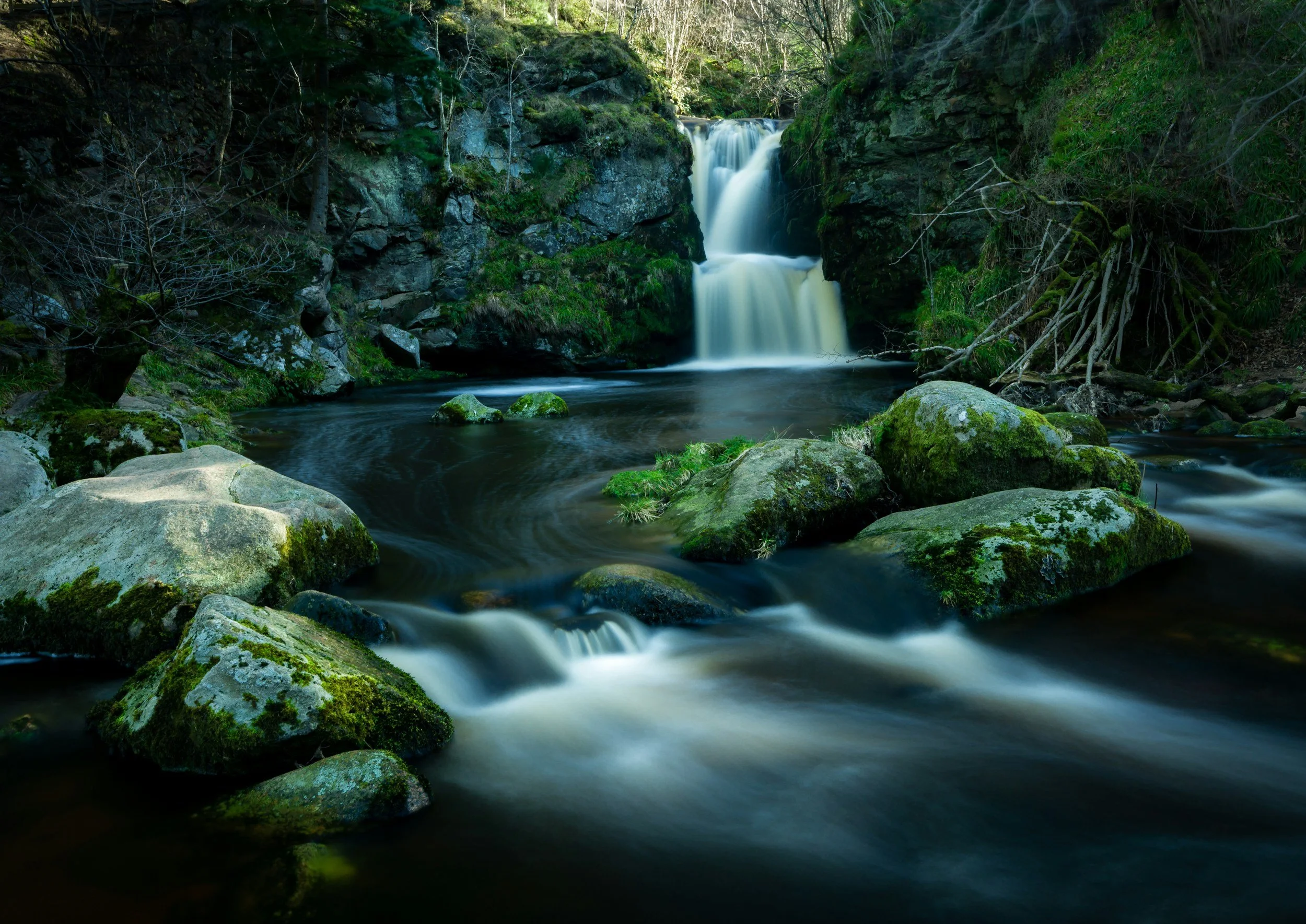
Buddhism — Buddha Nature and the Dharma
In Buddhism, what we might call essence is spoken of as Buddha nature (tathagatagarbha) — the inherent awakened quality present in all beings. It is not something to be achieved. It is already here, already complete. The path is not about becoming something new, but recognising what has always been present.
The "way" in Buddhism is the Dharma — a word that means both the teaching and the natural law or order of reality itself. The Eightfold Path is not a set of rules imposed from outside. It describes the natural way of moving when you are aligned with your true nature.
In Zen particularly, the emphasis is on direct perception — not concepts about reality, but tasting reality through your actual moment-to-moment experience. There is a well-known saying: "Before enlightenment, chop wood, carry water. After enlightenment, chop wood, carry water." The activity is the same. What transforms is the quality of awareness within it — and this is the essence-way too. The shift is not in what you are doing, but in how you are meeting what is here.
Buddhism also teaches that suffering arises from grasping — from trying to hold onto what is impermanent, from mistaking our constructed identities for who we truly are. The way of essence, in Buddhist understanding, is the way of letting go into what is already present, already awake, already whole.
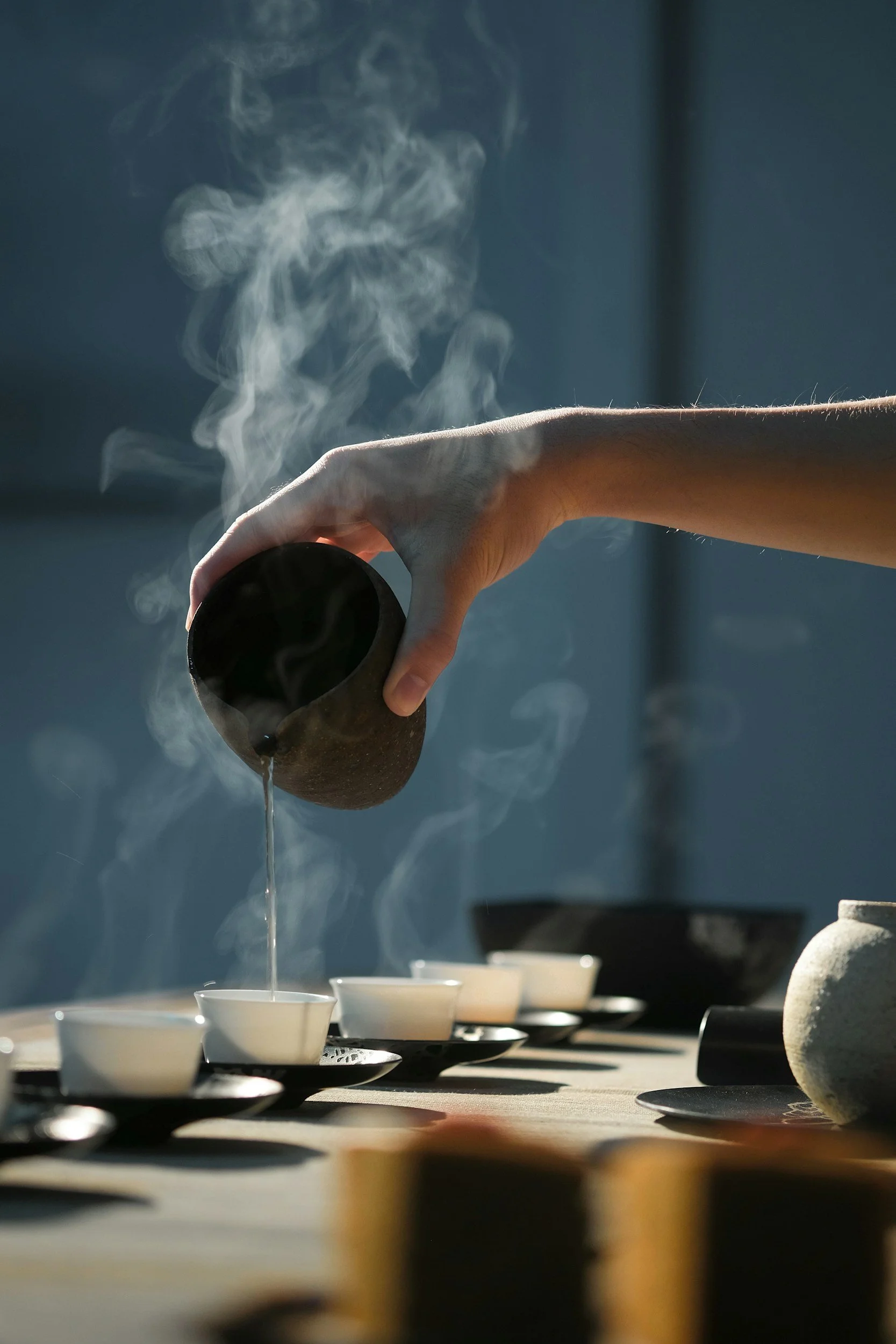
Christianity — Spirit and The Way
In the Christian and broader Abrahamic traditions, essence is called Spirit. The Hebrew word ruach and the Greek pneuma both mean breath or wind — Spirit is inherently movement, inherently dynamic. It doesn't exist in static form. It moves, breathes, animates. It requires form to express through.
The early followers of Jesus actually called themselves "followers of The Way" (Acts 9:2) before they were ever called Christians. And Jesus himself said, "I am the Way, the Truth, and the Life" — not pointing to a doctrine or belief system, but to a lived reality, an embodied way of being.
The contemplative Christian tradition — through mystics like Meister Eckhart, Teresa of Ávila, and more recently Cynthia Bourgeault — has always understood that the divine is not somewhere else, waiting to be reached. It is the ground of all being, constantly expressing, constantly pouring itself forth into creation. As Meister Eckhart put it: God is not separate from creation — God is the ground of all being, recognising itself through all forms.
The Sufi mystic Hafiz captured something of this beautifully: "I am a hole in the flute that the Christ's breath moves through — listen to this music." Spirit moves through form. We are the form it moves through. And the qualities it expresses — love, peace, joy, gentleness — are what Christians call "the fruits of the Spirit." In the Islamic mystical tradition, they are known as the 99 names of God — qualities like the Loving, the Subtle, the Wise — each one a recognisable aspect of the one reality expressing through creation.
These are, in essence, essence qualities.
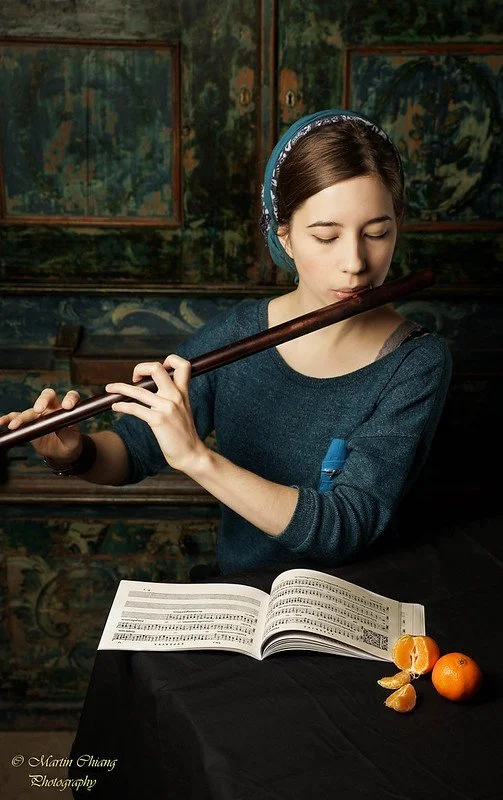
Hinduism — Atman and Brahman
The Upanishads — among the oldest spiritual texts in existence — teach that Atman (the individual essence, the true self) IS Brahman (the universal ground, the absolute). The great teaching is "Tat tvam asi" — thou art that. What you most deeply are is not separate from what everything most deeply is.
The way of knowing this, in Hindu understanding, is through direct recognition — not intellectual understanding but lived realisation. The Bhagavad Gita presents multiple yogas — paths or ways — through which essence expresses and knows itself: jnana yoga (the way of knowledge and discernment), bhakti yoga (the way of devotion and love), karma yoga (the way of selfless action), and raja yoga (the way of meditation and inner discipline). Each is a different doorway through which the same essential reality becomes recognisable.
What I find particularly beautiful is how richly sensory Hindu worship is — incense, vibrant colour, music, food, flowers. The senses are honoured as instruments of divine knowing. Beauty is not a distraction from the sacred — it is one of the primary ways the sacred makes itself findable. This resonates deeply with the essence-way, where the senses are not obstacles to overcome but doorways through which essence reveals itself.
What is common across all of them
Despite different languages, different cultures, different centuries — these traditions converge on something remarkably consistent:
Essence is already present. It is not something to achieve, earn, or become. It is what you already most deeply are.
At its depths, essence is unknowable — the absolute, the ground of being, the mystery beyond all form.
And yet it has a way. It moves. It expresses. It becomes knowable through form — through nature, through the senses, through beauty, through the quality of your own presence and attention.
The "way" is not a method imposed from outside. It is the natural movement of reality itself when you align with it — when you slow down, pay attention, and let what is most real reveal itself through what is already here.
Every tradition, in its own language, says the same thing: what you are looking for is already looking through your eyes.
The Essence-Way is one way of learning to recognise this.