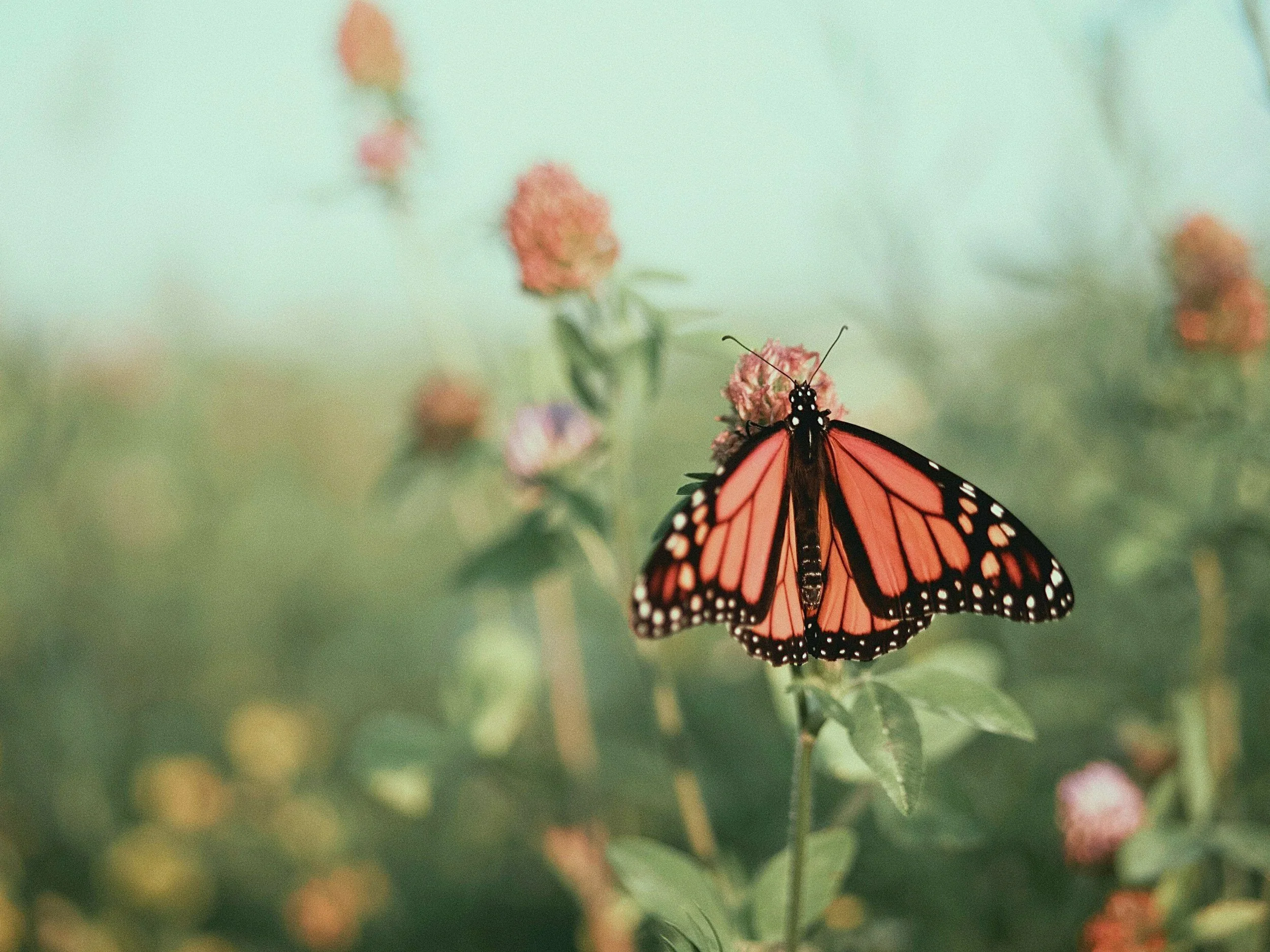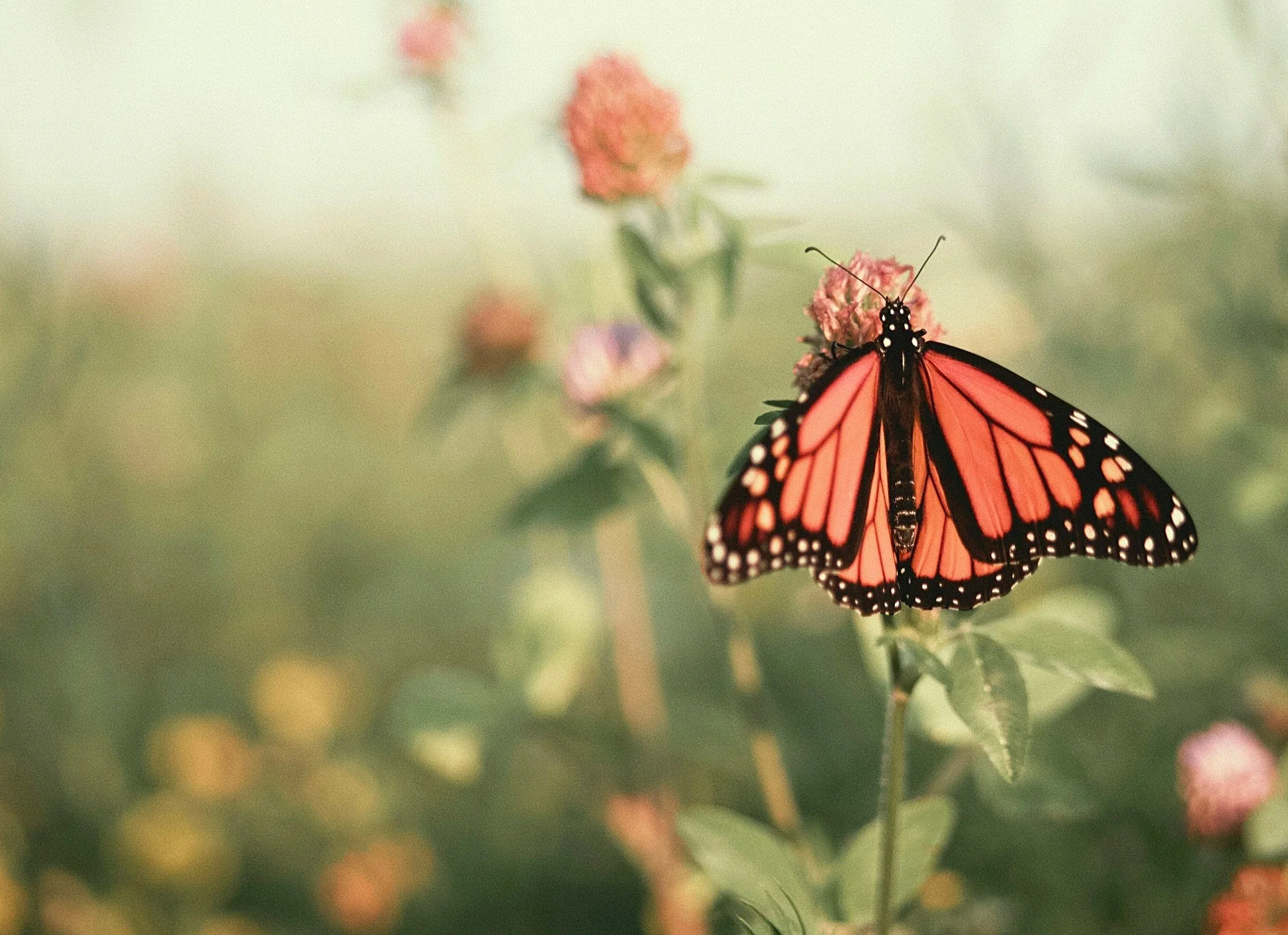
Beauty is how essence truly makes itself findable
The Invitation
What if your love of beauty is one of the deepest intelligences you have?
We live in a culture that often treats aesthetic sensitivity as a luxury, a distraction, or something to outgrow. We're taught that what matters is function, productivity, outcomes. Beauty is nice, but not essential.
The essence-way sees it differently.
Beauty is one of the primary ways essence first announces itself. The catch of glowing light on the clouds at sunset. The pure and vibrant color of a flower petal. The way a thoughtfully made space holds you before you've noticed why. These aren't pleasant extras. This is where essence makes itself easily recognisable through form as essence qualities.
When you learn to perceive beauty this way, in its depth, it stops being something you consume and becomes something you participate in. A practice. A form of knowing.
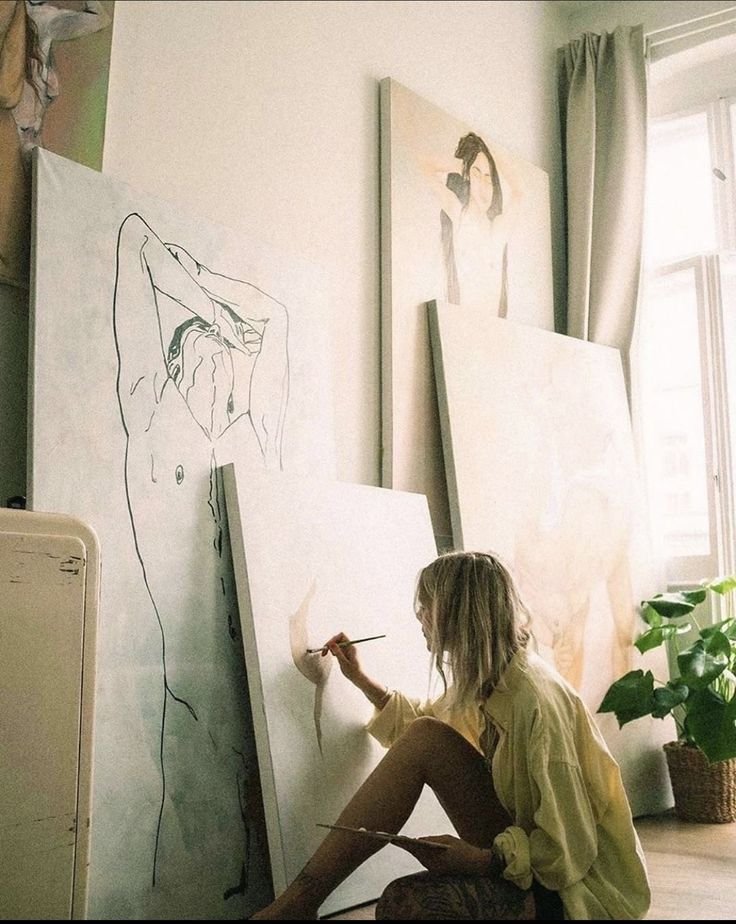
“Art enables us to find ourselves and lose ourselves at the same time."
—Thomas Merton
What Is Essential beauty?
One could say beauty is an essence quality.
What we find beautiful holds a felt sense of coherence, of aliveness, of something true. That felt sense is essence, perceiving itself through you.
Piero Ferrucci, the Italian psychotherapist and philosopher, describes this as aesthetic intelligence. The capacity not just to notice beauty, but to be genuinely moved by it, and ultimately to be transformed through contact with it. It's an intelligence that can be developed, and deepened, throughout a lifetime.
When you are moved by beauty, that is not merely your personality responding. It is your essential nature waking up to itself.
Beauty itself is an essence quality and, like all essence qualities, it can be sensed, named, and lived from. But beauty has a particular depth. At its most essential, Beauty - with a capital B - is the quality that holds both the beautiful and the ugly, the perfect and the broken. The cracked bowl loved for years. The face marked by grief. The garden that will never be finished. Essential Beauty is what you perceive when the senses stop reporting at the surface and start revealing depth. It shows you something about the nature of being itself.
This is why beauty is such a powerful doorway. It begins with what delights the senses, and it can lead all the way to the ground of what is most real.
"We want to inquire into the meaning of presence by contemplating and analyzing the actual experience of presence. Let us examine a familiar situation, the aesthetic experience. My eyes catch the sight of a beautiful red rose. Suddenly, my sight is clearer, my smelling is keener. I seem to be in my seeing, I seem to be in my smelling. There is more of me here."
— A.H. Almaas, Essence
Why This Matters
Many of us learned, somewhere along the way, to dismiss our aesthetic loves. We were told they were indulgent, impractical, too much. We adjusted. We merged with what was around us. We stopped trusting the inner knowing that said this matters to me.
Reclaiming your aesthetic is not vanity. It is an act of self-remembering.
When you allow yourself to value what you find beautiful, without apology, without watering it down, something shifts. You begin to discover that your aesthetic sensibility is not separate from your essential nature. It is your essential nature, expressing itself as discernment, as taste, as the capacity to recognize quality and coherence in the world around you.
This can be confronting. It means stepping out of the comfortable blending-in. But the reward is a life that feels increasingly like your own, because the field you inhabit, the environments you compose, the beauty you tend, all begin to mirror back what is most true in you.
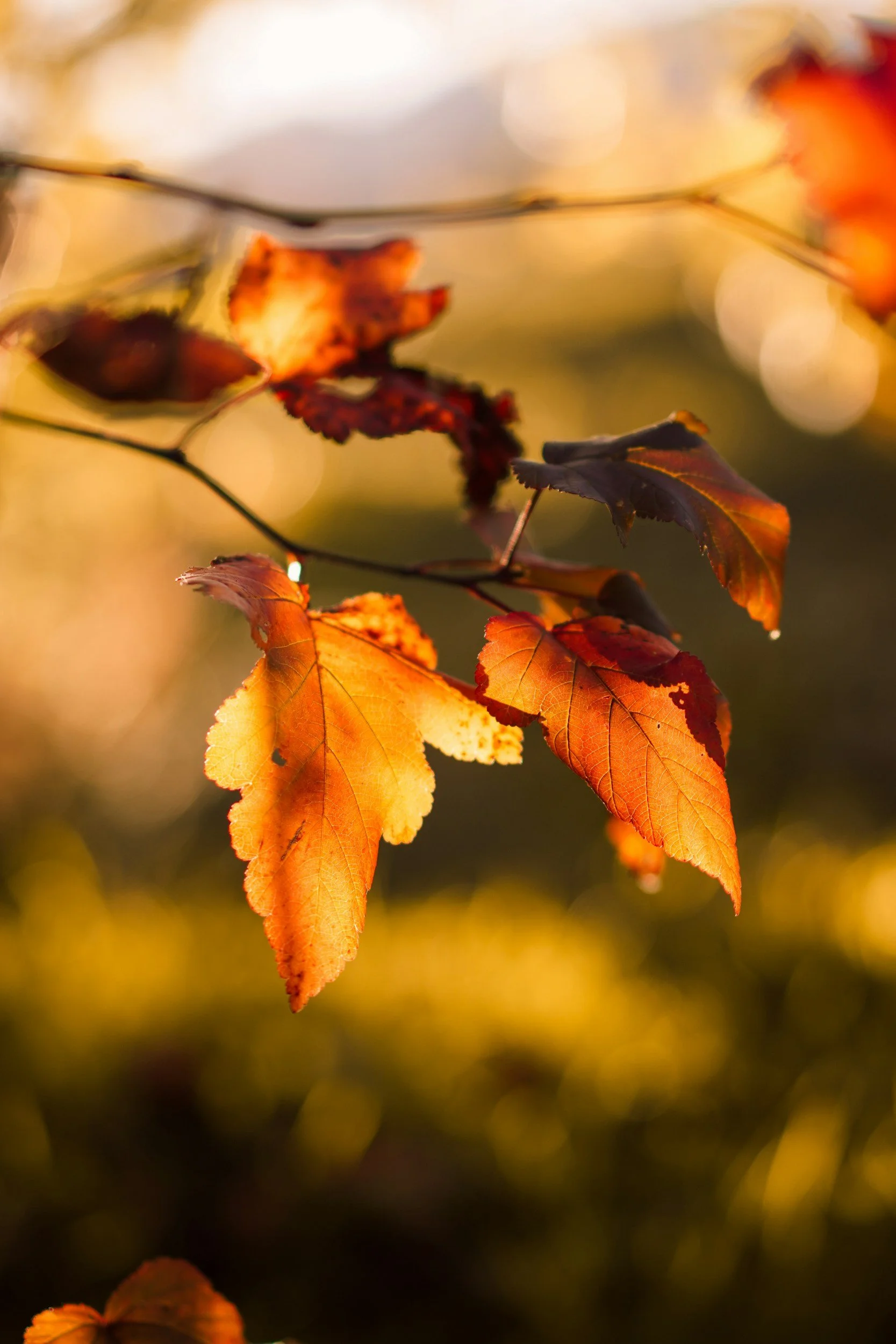
"If we were really to surrender to beauty, it might radically change our lives. Unfortunately, the repression of beauty harms us: it elicits aggressiveness, depression, anxiety. I am sure that more beauty in our lives would cure many ills."
— Piero Ferrucci, Beauty and the Soul
My journey of reclaiming beauty
As a young girl, beauty was my refuge. In nature I would be drawn to the flowers, the sunsets, the horses, and the landscape itself. I would deepen into these by drawing and painting them.
Then, somewhere along the way, I shut it down. A combination of being teased for my frequent "it's so beautiful" comments, and a school system that valued analysis over wonder, taught me that this sensitivity was something to outgrow. So I did.. or tried to.
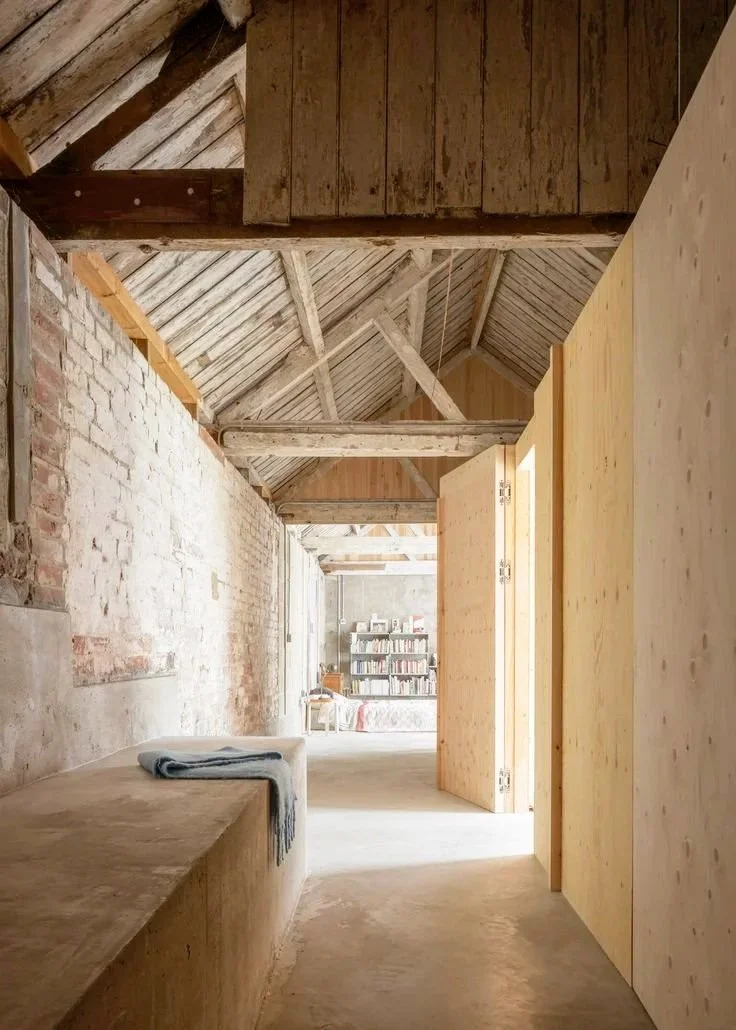
Beauty didn't wait for my permission to return. When I created my barn home, shaping the space in an aesthetic I loved, and choosing every texture and surface with care, something was already rekindling, even before I had language for it. The creating itself was a homecoming I didn't yet understand.
Then life forced me to slow down. And in that slowing, in the long days of simply being in this valley, beauty found its way back in. I remember the way morning light danced through mist across the landscape. The way sunlight caught delicate flower petals, creating a shimmering depth of colour that stopped me completely. The sky, the flowers, and the dancing light all became ways I could know the deeper essence within me. It was through beauty that I discovered the essential Beauty that holds both the beautiful and the ugly.
More recently, I've come to recognise that my particular aesthetic loves are not incidental to my way of being in the world - they are central to it. They are not to be watered down or lost in merging with others and culture. The way I see, what I'm drawn to, and what I create, is a big part of how essence expresses through me. Honouring this is a gift to the whole.
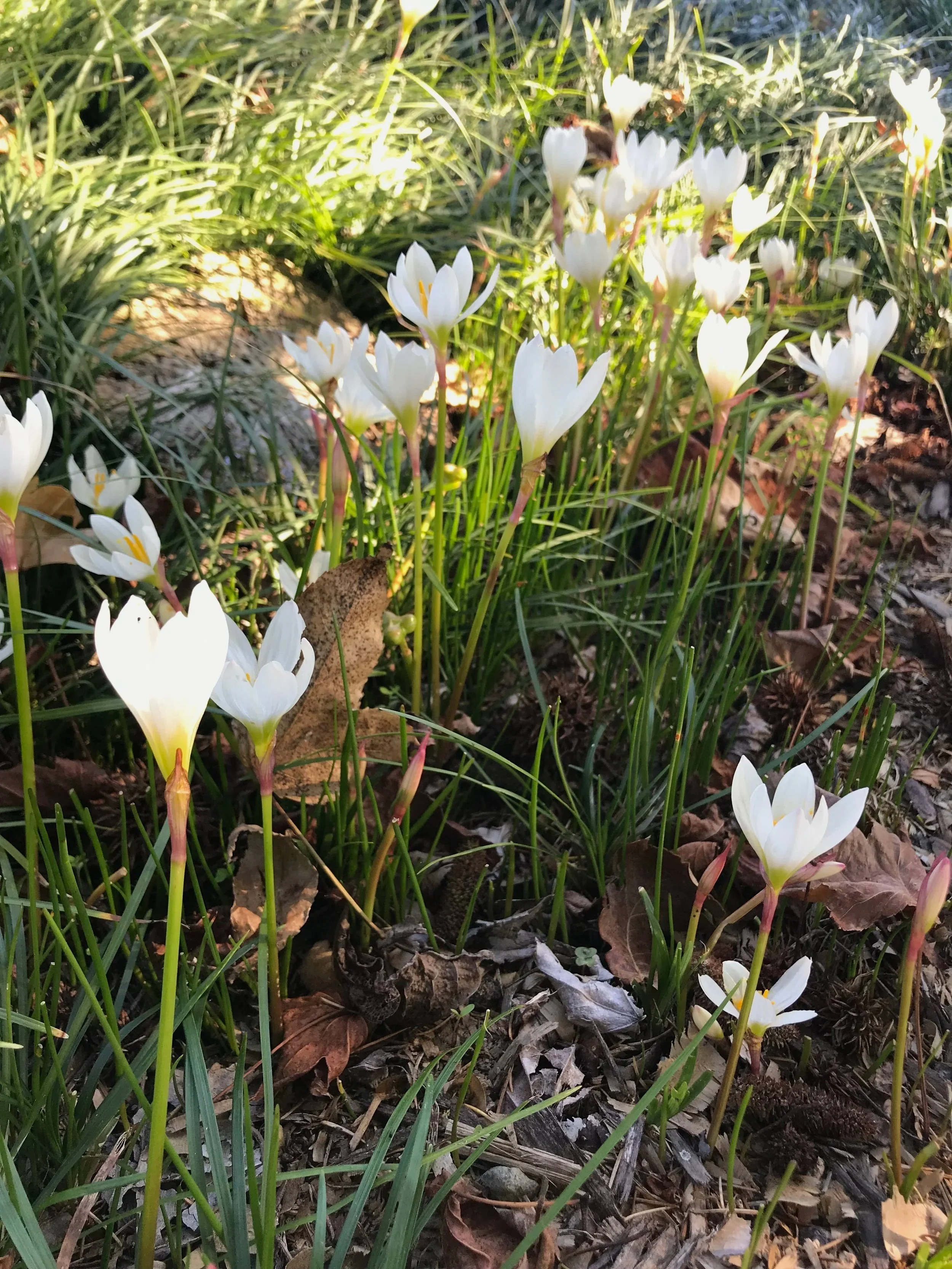
A soul that sees beauty may sometimes walk alone.
For the world has given up on beauty. It doesn’t believe in fairytales anymore, or happy endings…
But, if my words mean anything – hold out for that beauty. Walk alone until you grab it. The pain of walking alone against the stream is worth it.”
—Goethe
The Prepared Field
Most teachers who work with beauty do so through words, writing and speaking about its transformative power. And this matters. John O'Donohue, Thomas Moore, Thomas Merton, and others have given us beautiful language and pointers for what beauty does to the soul.
But there is another way, too.
It is the way of the tea masters, who understood that an aesthetic is a spiritual practice. Their teaching was in the room, the bowl, the gesture, the silence.
The essence-way works in this lineage. The teaching happens through a room that has been composed with care, a meal made with presence, a garden tended over years, a walk through a valley where every sense is invited open. The environment is the practice. Your presence in a space you've shaped with love is the transmission.
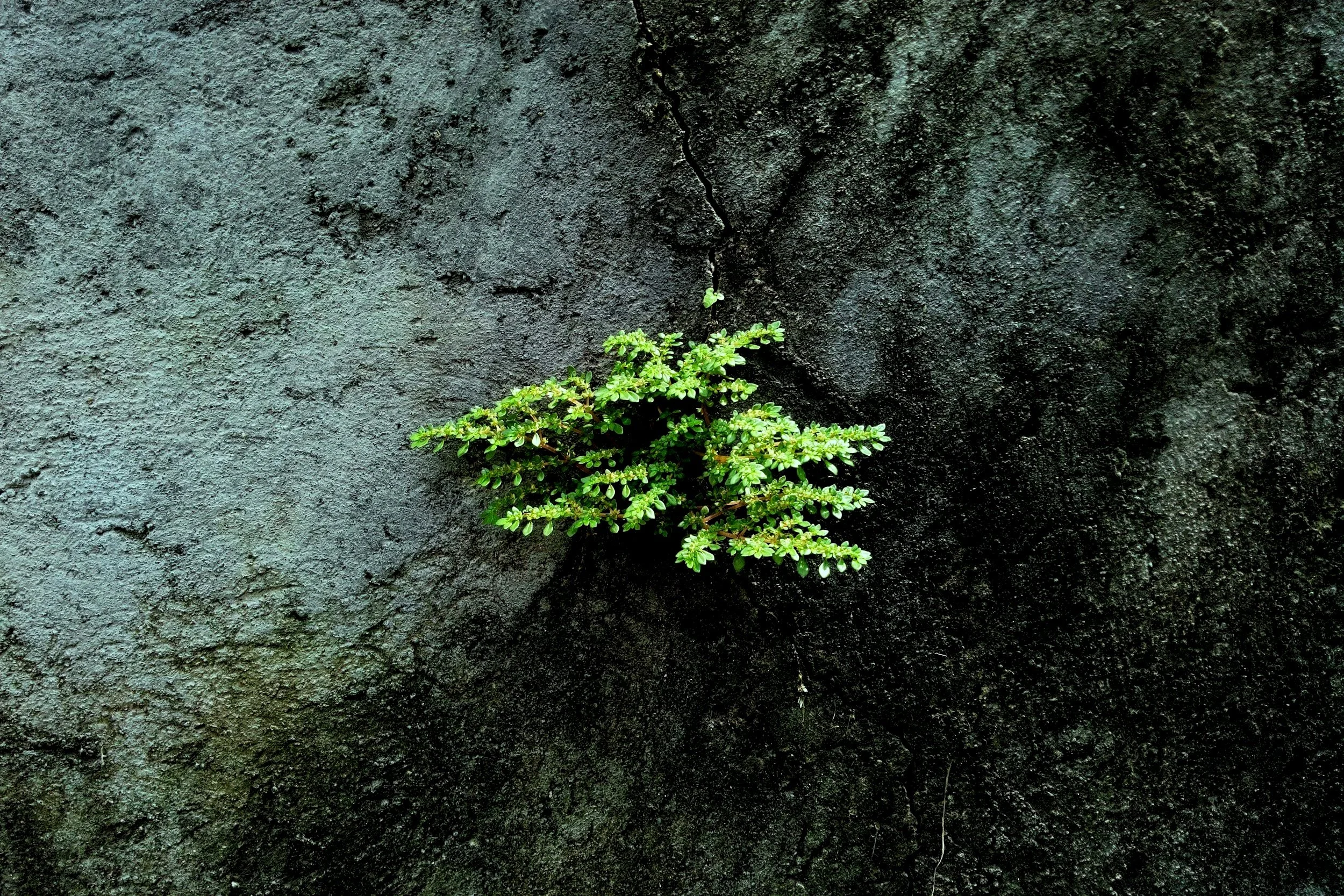
This is not about perfection. The Japanese concept of wabi-sabi — the beauty of things imperfect, impermanent, and incomplete — lives here too. The cracked bowl that has been used for years. The weathered timber of a barn made home. The garden that is always becoming and never finished. This kind of beauty carries much wisdom.
Your Aesthetic Loves
One of the invitations of this work is to take your aesthetic loves seriously.
What draws you? What stops you in your tracks? What textures, colors, spaces, sounds, flavors make you feel more present, more alive, more here? These are not random preferences. They are sensory doorways through which your essence is trying to reach you.
Developing this sensitivity is a practice. It might begin with something as simple as noticing what you find beautiful each day. Not what you think you should find beautiful, but what genuinely moves you. Over time, this noticing deepens. You begin to perceive not just the object or the scene, but the quality it carries. And then something remarkable happens: you begin to recognize that quality as something already alive in you.
This is essence knowing itself through the senses. And it changes how you live through a quiet, ongoing alignment with what is most real.
And from this alignment, something begins to create. Not from will or strategy, but from the same source that drew you to beauty in the first place. Your particular aesthetic loves turn out to be essence's own signature, expressing itself through the way only you can make, shape, and tend. Honouring them is not indulgence, it is participation in how essence becomes form.
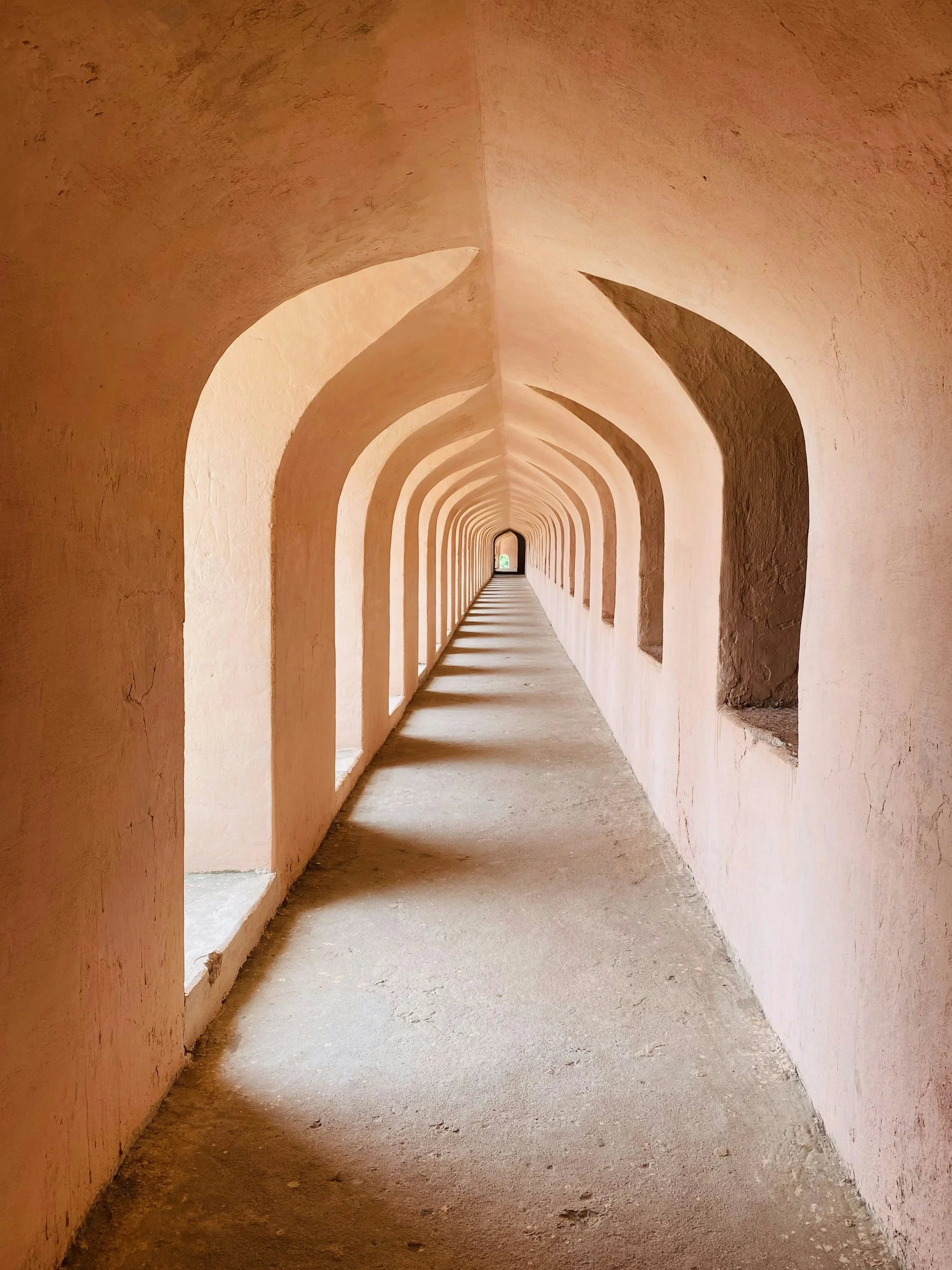
"The mind that responds to the intellectual and spiritual values that lie hidden in a poem, a painting, or a piece of music, discovers a spiritual vitality that lifts it above itself, takes it out of itself, and makes it present to itself on a level of being that it did not know it could ever achieve."
— Thomas Merton
An Invitation
If something in this speaks to you to discover the essential qualities that live in your perception of beauty, and to let that recognition begin to shape how you live, I'd love to explore that with you.
This may resonate especially if you work with beauty already - as an artist, designer, architect, or maker - and sense there's a deeper dimension to what you do that you haven't yet had language for.
This work can unfold through one-to-one companionship, through taster sessions, or in time through small gatherings where the field itself becomes the teacher.